
The digital marketing landscape in India continues to evolve, and influencer marketing remains one of the most powerful tools for brand visibility and engagement. As we move into a more AI-driven, authenticity-focused era, staying on top of the Top Influencer Marketing Trends in India for 2025 is crucial for brands aiming to remain culturally relevant and digitally competitive.
With over 1 billion smartphone users and a massive Gen Z and millennial demographic, India presents a fertile ground for influencer campaigns—but what worked in 2023 won’t be enough in 2025. Let’s dive into the key trends that will define influencer marketing in India in the year ahead.
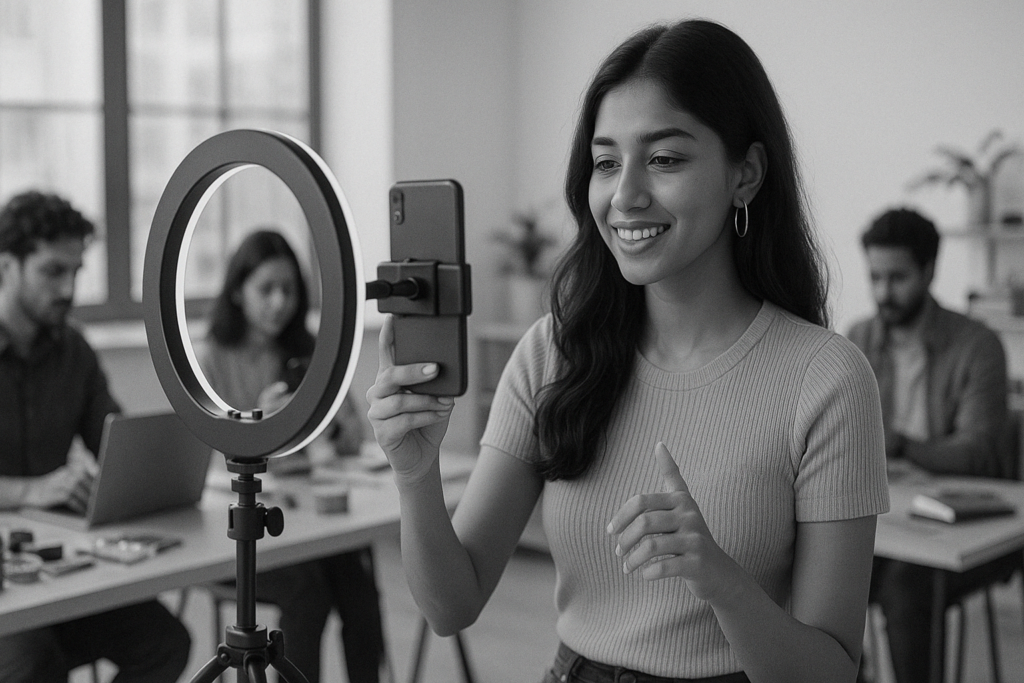
Why Influencer Marketing Remains Critical in 2025
1. Audiences Trust Influencers More Than Ads
Indian consumers increasingly trust creators over brands. Influencers provide product context, personal experiences, and relatable content that resonates deeply. As ad fatigue grows, earned influence becomes more valuable than paid impressions.
2. Platforms Are Favoring Creator-Led Content
Whether it’s Instagram Reels, YouTube Shorts, or Moj and ShareChat, platforms are doubling down on short-form, creator-driven video—giving influencers a higher reach potential than traditional brand posts.
Top Influencer Marketing Trends in India for 2025
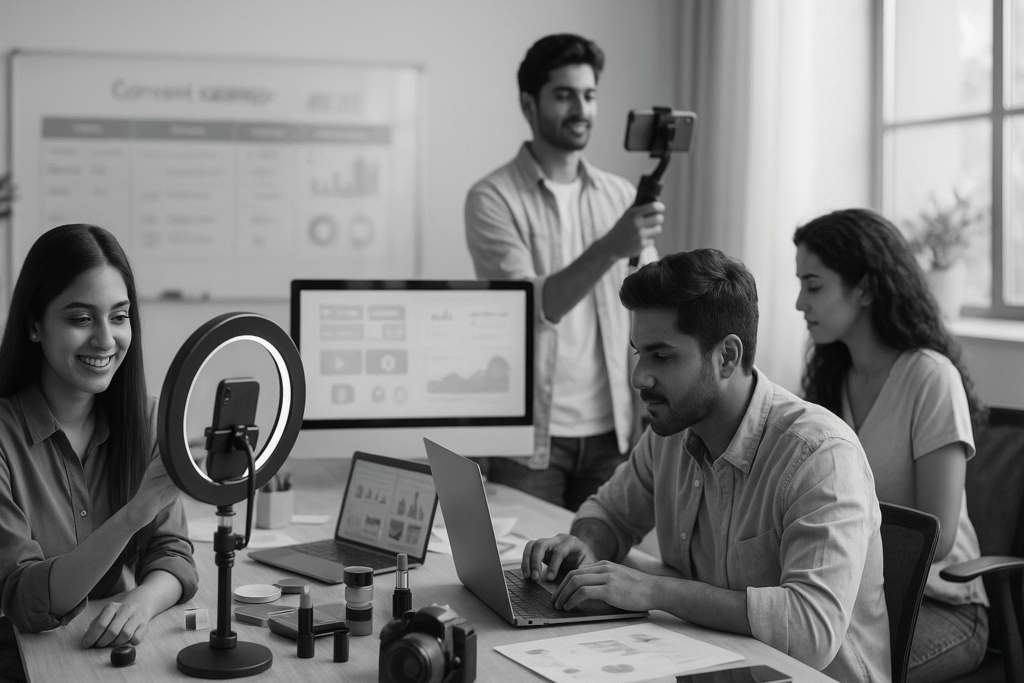
1. Rise of Regional and Vernacular Influencers
As Bharat goes digital, brands are tapping into vernacular content creators in Tamil, Marathi, Telugu, Bengali, and more. These influencers offer:
- Deeper engagement in Tier 2 and Tier 3 cities
- High trust within cultural communities
- Authentic brand storytelling with local relevance
Expect to see more regional influencers leading national campaigns in 2025.
2. Nano and Micro-Influencer Domination
While celebrity influencers still matter, micro (10K–100K) and nano (1K–10K) influencers are becoming the go-to for:
- Niche targeting
- Higher engagement rates
- Cost-effective collaborations
These creators may have smaller followings, but their audiences are loyal and responsive, making them ideal for conversion-driven campaigns.
3. Long-Term Influencer Partnerships Over One-Off Posts
Brands are shifting from transactional campaigns to ambassador-style partnerships, where influencers:
- Represent the brand over time
- Share real usage stories
- Co-create content that feels organic
This approach builds trust and consistency, both of which are essential in India’s evolving digital market.
4. AI-Powered Influencer Discovery and Campaign Optimization
With thousands of influencers across platforms, brands are turning to AI tools for:
- Identifying high-fit creators
- Predicting campaign performance
- Measuring ROI beyond likes and views
Influencer marketing is no longer guesswork—it’s becoming data-driven and automated for scalability.
5. Social Commerce Integration with Influencers
Influencers are driving direct purchases through platform-native shopping tools. Features like:
- Instagram Shop
- YouTube Live Shopping
- Affiliate links in bios and swipe-ups
will continue to rise, allowing creators to become trusted sales enablers, especially in fashion, beauty, and lifestyle sectors.
6. Cause-Driven Collaborations and Ethical Influence
Gen Z cares deeply about sustainability, inclusivity, and purpose. Brands will increasingly collaborate with influencers who:
- Stand for social causes
- Support mental health, diversity, or environmental initiatives
- Reject performative promotions in favor of genuine alignment
In 2025, influence will be defined by values, not just visuals.
7. Multiplatform Influence: Not Just Instagram
Influencer visibility will extend beyond Instagram to:
- LinkedIn for B2B and thought leadership
- Pinterest for design and lifestyle
- Twitter/X for expert commentary
- Threads for deeper community conversations
Omnichannel influence will be key to building authority across multiple user touchpoints.
How Brands in India Can Prepare for These Trends

Adopt an Always-On Influencer Strategy
Don’t just run seasonal campaigns. Build long-term relationships with select creators to maintain year-round visibility.
Invest in Measurement and Reporting Tools
Understand not just reach, but real impact—traffic, conversions, and brand sentiment.
Blend PR with Influencer Marketing
Combine earned media and influencer buzz for a 360° brand narrative.
Work with Influencer-Focused Agencies
Partner with agencies that specialize in creator campaigns and have access to emerging talent pools across India.
URPR’s Approach to Influencer Marketing in 2025
At URPR, we stay ahead of influencer trends by:
- Integrating PR + influencer strategy
- Building custom creator lists by region, language, and category
- Offering performance-based influencer campaigns
- Creating campaigns that are not only viral—but also value-driven
Explore our creator partnerships and upcoming campaigns here.
The Future of Influence is Authentic, Local, and Strategic
As 2025 unfolds, the most impactful influencer marketing campaigns will be the ones that embrace micro-communities, drive purpose, and deliver measurable value. Staying ahead of the Top Influencer Marketing Trends in India will be critical for brands looking to resonate, convert, and grow in a culturally complex and digitally diverse market.
FAQs
Q. Which platform will lead influencer marketing in India in 2025?
Instagram will remain dominant, but YouTube Shorts, LinkedIn (for B2B), and vernacular platforms like Moj will rise significantly.
Q. Are micro and nano influencers really more effective?
Yes, especially for niche targeting. They often see better engagement and trust from followers compared to macro influencers.
Q. How can brands measure influencer marketing ROI in 2025?
By using tracking tools that analyze reach, engagement, affiliate conversions, and even brand sentiment post-campaign.
Q. Can B2B brands benefit from influencer marketing in India?
Absolutely. B2B influence is rising on platforms like LinkedIn, where industry leaders and content creators share valuable thought leadership.