
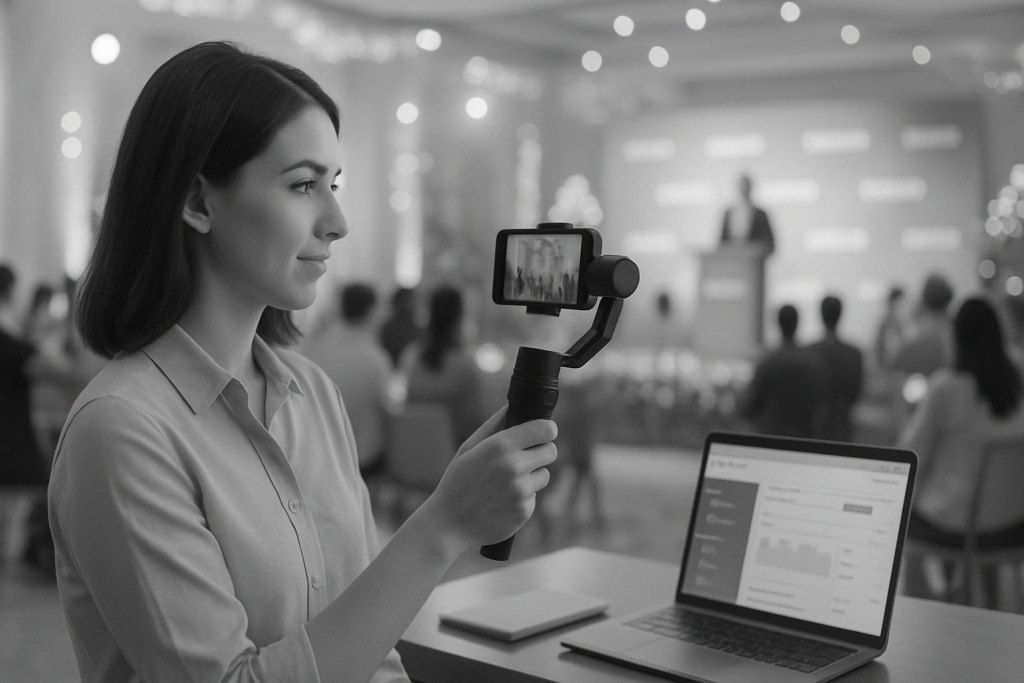
Whether you’re hosting a product launch, brand activation, panel discussion, or influencer mixer, the event itself is only half the story. The other half? How you amplify it online. In today’s digital-first world, Event Coverage on Social Media plays a pivotal role in public relations success. It shapes how your event is perceived, how far it reaches, and how long it stays relevant in the audience’s memory.
Smart, real-time content paired with strategic storytelling ensures your brand doesn’t just host an event—but makes it visible, shareable, and talked about.
Why Event Coverage on Social Media Matters in PR
1. Extends the Life of Your Event
Most in-person or hybrid events last a few hours, but social media content can continue generating buzz for days or even weeks after. By capturing and sharing key moments across platforms, brands can:
- Reach those who couldn’t attend
- Keep the conversation alive
- Generate long-term brand recall
Event coverage on social media bridges real-time experiences with digital amplification.
2. Boosts Media and Influencer Engagement
Journalists, influencers, and attendees often check a brand’s social content for context, updates, and social proof. A well-managed feed:
- Attracts earned reposts and mentions
- Encourages user-generated content
- Enhances event credibility
- Supports post-event media coverage
Good coverage can transform attendees into amplifiers.
3. Positions the Brand as a Thought Leader
Live-streamed panels, speaker quotes, and behind-the-scenes moments create shareable content that establishes your brand as:
- Informed
- Culturally relevant
- Engaged with its community
This enhances PR storytelling, especially when paired with strategic hashtags and visual identity.
Pre-Event Social Media Planning
4. Develop a Platform-Specific Content Strategy
Tailor your content for each platform:
- Instagram & Facebook: Reels, Stories, event countdowns, BTS snippets
- LinkedIn: Speaker profiles, industry insights, partner highlights
- Twitter (X): Live updates, quotes, real-time photos
- YouTube: Recaps, panel recordings, highlight reels
Create a content calendar that aligns with pre-event, live coverage, and post-event stages.
5. Use a Branded Hashtag
A consistent, unique event hashtag:
- Unifies all event content
- Enables tracking of mentions and conversations
- Encourages participants to share their own content
- Increases visibility across platforms
Make sure it’s short, memorable, and relevant.
6. Prepare Visual Templates and Copy
To maintain visual consistency, pre-design:
- Speaker quote cards
- Agenda posts
- Countdowns and “1 day to go” alerts
- Speaker spotlight frames
- Branded Story stickers or GIFs
Prepared assets allow for faster, higher-quality content in real time.
During the Event: Real-Time Coverage Strategies
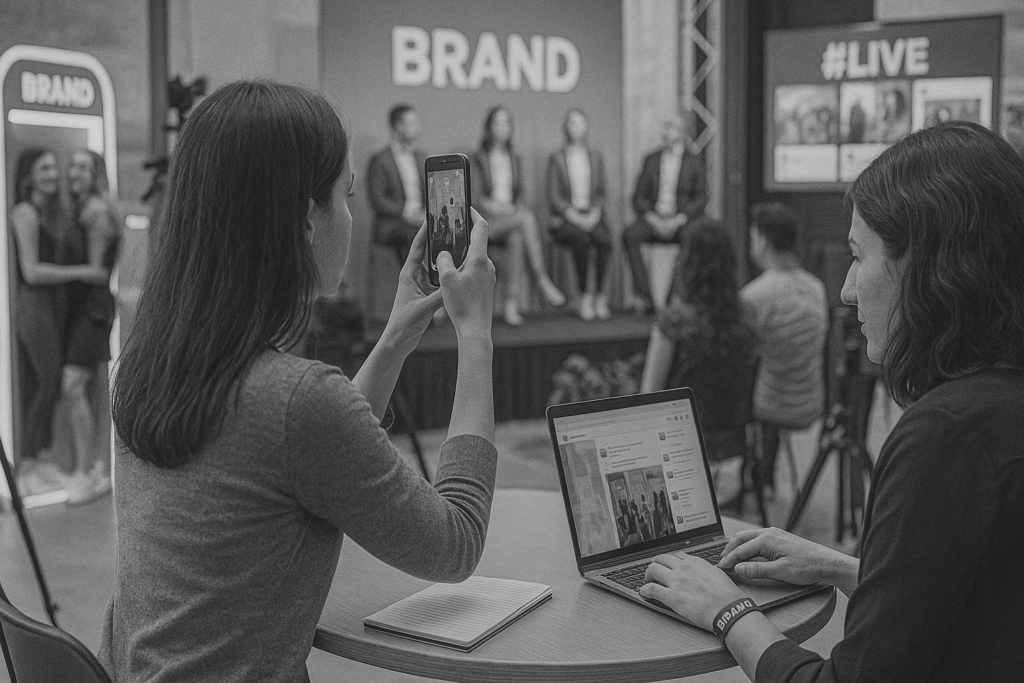
7. Assign a Dedicated Social Media Team
Live coverage requires quick thinking and multitasking. Your team should:
- Capture photos and videos in real time
- Post highlights across channels
- Monitor engagement and mentions
- Share behind-the-scenes moments authentically
Having a team on-ground ensures nothing important is missed.
8. Spotlight Speakers, Guests, and Interactions
Focus on key personalities and moments:
- Live quotes from keynotes and panels
- Influencer reactions or testimonials
- Candid guest interactions
- Meet-and-greet or product testing moments
These add emotional and human depth to your content.
9. Encourage Attendee-Generated Content
Make it easy for attendees to share by:
- Creating a selfie spot or branded photo booth
- Sharing the event hashtag on displays and wristbands
- Running a live Story repost or reel contest
- Interacting with their content in real time
This boosts reach and builds community engagement.
Post-Event Amplification for Lasting Impact
10. Post Recap Videos and Highlight Reels
Recap content keeps the momentum going. Share:
- A 60-second event summary
- A day-in-the-life reel from the event
- Extended clips of key moments
- Thank-you videos to attendees and partners
Use this content for both PR pitching and community engagement.
11. Leverage Testimonials and Media Mentions
Post screenshots or repost links of:
- Influencer shout-outs
- Press coverage
- Guest testimonials
- Social listening highlights (trending hashtags, sentiment)
This reinforces event success and PR credibility.
12. Analyze and Report Performance
Track content performance using:
- Engagement metrics (likes, comments, shares, reach)
- Hashtag use and mentions
- Website visits or link clicks
- New followers and leads generated
Use this data to refine your next event strategy.
How URPR Supports Event Coverage on Social Media
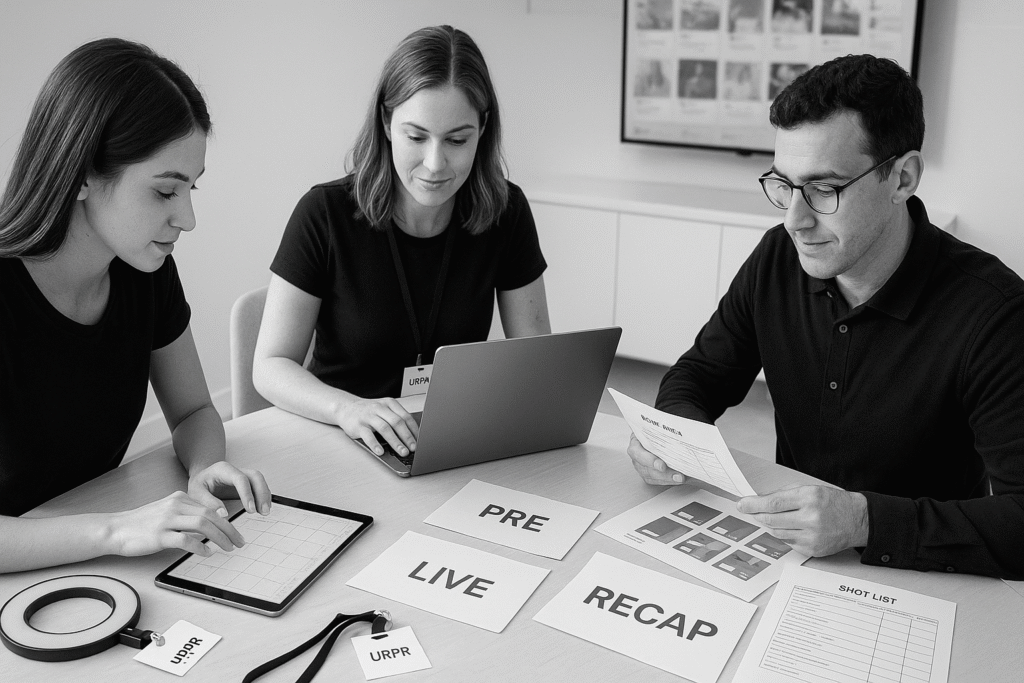
At URPR, we integrate event PR with high-impact social storytelling. Our approach includes:
- End-to-end content planning and pre-event campaigns
- On-ground social media management
- Influencer and media content amplification
- Event recap content, social analytics, and coverage reports
Explore our full suite of event coverage and digital PR support here.
Event Coverage on Social Media: Making Moments Matter
Events are more than physical gatherings—they’re content opportunities waiting to be captured, shared, and celebrated. With the right mix of pre-planning, real-time execution, and post-event storytelling, brands can turn any event into a multi-platform digital experience.
Effective event coverage on social media elevates visibility, deepens audience connection, and maximizes PR outcomes—well beyond the venue.
FAQs
**Q. Which platform is best for event coverage?
Instagram and LinkedIn are ideal for visual and professional content, while Twitter/X is great for real-time updates.
**Q. How many people should manage live social media at an event?
A minimum of 2–3 people: one for content capture, one for posting and monitoring, and one as a content strategist.
**Q. Can small events benefit from social media coverage?
Absolutely. Even niche events can gain visibility, credibility, and engagement with smart, consistent coverage.
**Q. How early should I plan event social media content?
Start at least 2–3 weeks in advance with your calendar, assets, and messaging mapped out.